38 how many different hazard labels are there for class 4
How Many DOT Hazard Classes Are There? - natlenvtrainers.com There are thousands of specific types of hazardous materials contained within PHMSA's Emergency Response Guidebook (ERG). The ERG is intended for use by first responders during the initial phase of a transport incident involving hazardous materials. Hazard Classes. DOT regulations have grouped hazardous materials into nine specific hazard ... Dangerous Goods Labels Class 4 - Labelident The professional labeling of dangerous goods is extremely important, especially for the transportation of hazardous materials. This category includes dangerous goods class 4 labels - with three subcategories: Class 4.1 - flammable solids, desensitized, explosive materials; Class 4.2 - self-igniting materials; Class 4.3 - materials that create flammable gases in contact with water.
Understanding Shipping Labels and Placards for Radioactive ... - REMM The cardboard package in the foreground above has a Radioactive Yellow-III hazard label (square on point) AND a separate black text on white marking which says "Radioactive Material Type A Package, UN 2915. UN 2915 means "Radioactive material, Type A package [non-special form, non fissile or fissile-excepted")
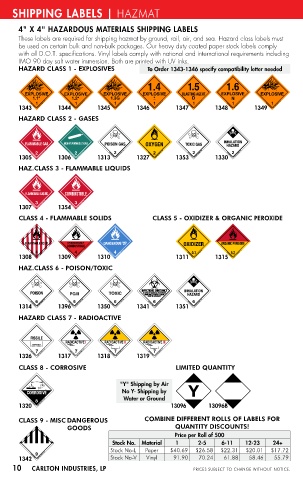
How many different hazard labels are there for class 4
Hazardous Material Classification - MLi Environmental Flammable solids fit within the hazardous materials classification (Class 4) because they are highly combustible, are capable of posing serious hazards due to their volatility, combustibility, potential in causing or propagating severe conflagrations and can even cause fire through friction. What Are The Nine Classes of Dangerous Goods? - DeltaNet There are 9 classes of dangerous goods and the class is determined by the nature of the danger they present: Class 1: Explosives. Class 2: Gases. Class 3: Flammable liquids. Class 4: Flammable solids. Class 5:Oxidising agents & organic peroxides. Class 6: Toxins and infectious substances. Class 7: Radioactive material. Hazmat Labels, Hazmat Placards, and Hazmat Markings - Labelmaster How many Hazard Classes are there? The Department of Transportation has defined 9 Hazard Class Groups. They are separated by distinct hazardous properties and shipping requirements. Hazard Class 1 - Explosives Hazard Class 2 - Gases Hazard Class 3 - Flammable and Combustible Liquids Hazard Class 4 - Flammable Solids
How many different hazard labels are there for class 4. Marking & Labeling Your Shipment | Federal Aviation Administration Marking means a descriptive name, identification number, instructions, cautions, weight, specification, or UN marks, or combinations thereof, required on outer packagings of hazardous materials or dangerous goods. Must be durable, in English, and printed on or affixed to the surface of a package or on a label, tag, or sign. DOT Hazard Classes Explained - Sharps Compliance Blog Hazard Class 4 - Flammable Solids These are the three divisions of flammable solids along with a common example for each: Flammable solid (4.1) (e.g., match sticks), Spontaneously combustible material (4.2) (e.g., oily rags) Dangerous when wet (4.3) (e.g., magnesium fire starter) Hazard Class 5 - Oxidizing Substance & Organic Peroxide Understanding the NFPA 704 Diamond Labeling System The label is made up of four smaller color-coded diamonds that make up one large diamond shape. Each color-coded section of blue, red, yellow, and white represents a different type of hazard. With the exception of the bottom white diamond, there will be a number that corresponds to the level of danger a chemical poses. On a scale of 0-4, zero ... GHS Labeling Requirements: The Definitive Guide [2021 Update ... - Luminer However, the GHS takes into consideration that, sometimes, it's not possible to keep workers safe with only these six label requirements, which is why it also allows for supplemental information. 1. Product Identifier. This requirement identifies the actual hazardous chemical inside the container.
GHS Hazard Statement List - ChemSafetyPro.COM GHS Hazard Statement List. Little Pro on 2016-01-06 . GHS hazard statement means a standard phrase assigned to a hazard class and category to describe the nature and severity of a chemical hazard. Each hazard statement is designated a code, starting with the letter H and followed by 3 digits. H2xx: Physical hazards; H3xx: Health hazards; DOT Hazard Classes | Hazmat University - News and Info Hazard Class 4 - Flammable Solids This hazard class includes three divisions of hazardous materials: 4.1 Flammable solid (e.g. match sticks and desensitized solid explosives) 4.2 Spontaneously combustible material (e.g. Aluminum borohydride, oily rags) 4.3 Dangerous when wet material (e.g. Barium and lithium metal) WHMIS 2015 - Labels : OSH Answers - Canadian Centre for Occupational ... There are two main types of WHMIS labels: supplier labels, and workplace labels. Suppliers of hazardous products are required to apply a label that meets the requirements of the Hazardous Products Regulations. If the hazardous product is always used in the container with the supplier label, no other label is required. What Are the 4 Different Arc Flash PPE Categories in NFPA 70E? PPE Category 1: Minimum Arc Rating 4 cal/cm2. PPE CAT 1 represents the lowest level in which Arc Rated PPE s required. Requiring a single layer of arc-rated PPE, workers need the following clothing: Required Clothing: Long Sleeve Shirt (or Jacket) and Pants or AR Coverall with minimum arc rating of 4 cal/cm 2. Required Face and Head Protection ...
Hazardous Materials Classification - Environmental Health and Safety Some Classes include multiple hazards denoted by the division number. A Packing Group may be listed next to the hazard class which denotes the relative danger of the material. The lower the group number the higher the hazard and the stricter the packing requirements. Not all classes are broken into packing groups. DOT Labeling Requirements: When Does a Hazmat Package Need Labels ... If you have to label for both a primary and a subsidiary hazard class or divisions, these labels must be displayed next to each other within 6 inches (150mm). If you don't know where to find the materials primary and subsidiary hazard class, go the the 172.101 hazmat table and look at column 6. You can find the table here. Duplicate labels Understanding HAZMAT Placards | ArcBest Goods that aren't classified or regulated by the United Nations receive North American (NA) numbers. These four-digit numbers range from 8000-9279 and are assigned by the DOT. All UN and NA placards come with an identifier that helps shippers determine the cargo's class, division and compatibility group. Compatibility letters DOT Hazard Classes - International Association of Fire Chiefs Class 1 - Explosives. Division 1.2 Explosives which have a projection hazard but not a mass explosion hazard. Division 1.3 Explosives which have a fire hazard and either a minor blast hazard or a minor projection hazard or both, but not a mass explosion hazard. Division 1.4 Explosives which present no significant blast hazard.
Page 10 - Carlton Most Liked Catalog | Browse Our Most Liked ...
Classes 1-9 of dangerous goods explained Class 1 - Explosive substances and articles Class 2 - Gases Class 3 - Flammable liquids Class 4 - Flammable solids Class 5 - Oxidizing substances and organic peroxides Class 6 - Toxic and infectious substances Class 7 - Radioactive material Class 8 - Corrosive substances Class 9 - Miscellaneous dangerous substances and articles

4-Pack NON-FLAMMABLE GAS, Hazard Class 2 D.O.T. Shipping Labels, 4" x 4" | eBay
Hazmat Labels and Marking for Shipments: What You Need ... - News and Info Under federal regulations, the nine hazard classes are divided into two tables - each of which has different placarding requirements. The first table includes the following hazard classes. Explosives (1.1, 1.2, and 1.3) Poison gas (2.3) Dangerous when wet (4.3) Organic peroxide (Type B, liquid or solid, temperature controlled) (5.2)
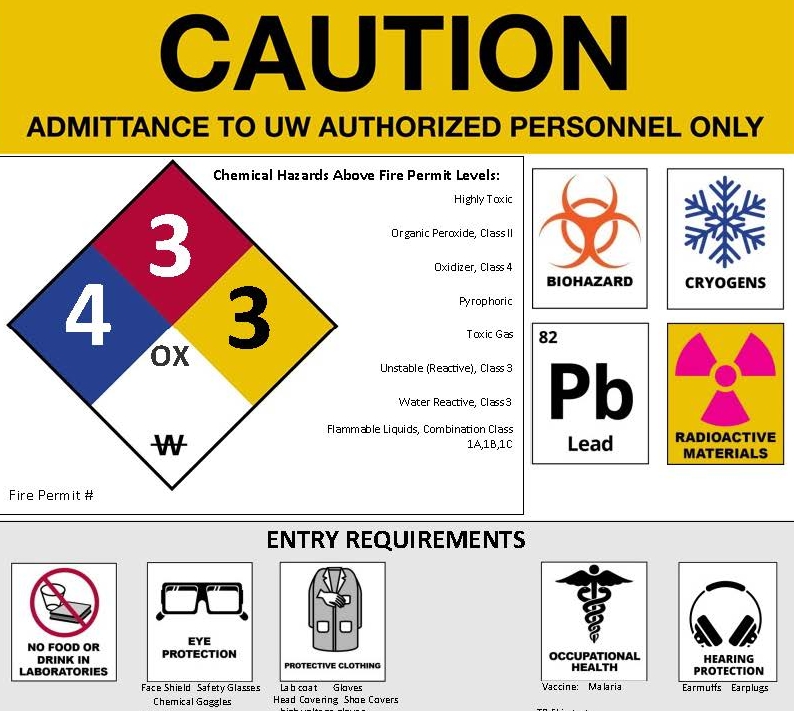
Caution Signs and Warning Signs | EHS
PDF DOT CHART 16 Hazardous Materials Markings,Labeling and Placarding Guide • The appropriate hazard class or division number must be displayed in the lower corner of a primary and subsidiary hazard label [§172.402(b)]. • For classes 1,2,3,4,5,6, and 8, text indicating a hazard (e.g., "CORROSIVE") is NOT required on a primary or subsidiary label. The label must otherwise conform to Subpart E of Part 172 [§172 ...

DOT Flammable Solid Hazard Labels Class 4 - Warehouse
Class 4 Dangerous Goods Flammable Solids etc - ChemSafetyPro.COM Commonly transported class 4 dangerous goods include sulphur, matches, activated carbon, alkali metals and some metal powders. Class 4 Dangerous Goods Label The picture below shows hazard symbols for Class 4 dangerous goods. More info about the marking and labelling of dangerous goods can be found here. More Dangerous Goods Classes

HAZARD CLASS 9, Shipping Label, 4" x 4"
PDF System for the Identification of the Hazards of Materials for ... - NFPA How does the 704 label differ from other hazardous material labels? There are several widely used systems for labeling hazardous materials. Each has a specific purpose and it is ... indicating a minimal hazard, to four (4) indicating a severe hazard. ... Section 4.2.3.3 of NFPA 704 provides three different methods to rate multiple chemicals. In ...

What is Dangerous Goods Declaration and who should submit it..??
The Nine Classes of Hazardous Materials - Hazsim Class 1: Explosives. This first class is broken into 6 different divisions within itself. Each division carries a specific hazard, with explosion being the number one or most significant. Division 1.1 - Explosives which have a mass explosion hazard. Division 1.2 - Explosives which have a projection hazard but not a "mass" explosion hazard.

Laser Safety Hazard Labels | Danger | Warning | Caution
Hazmat Placards; DOT Guide and 13 Actionable Tips 2022 - Truckers Insider This is where DOT separates the nine hazard classes into the two placarding tables (again, think groups) each with their own requirements: Table 1 Placards: Placard for any amount. Table 2 placards: Placard for 1,001lbs or more of aggregate gross weight. Next, we're going to break down each one of these tables.
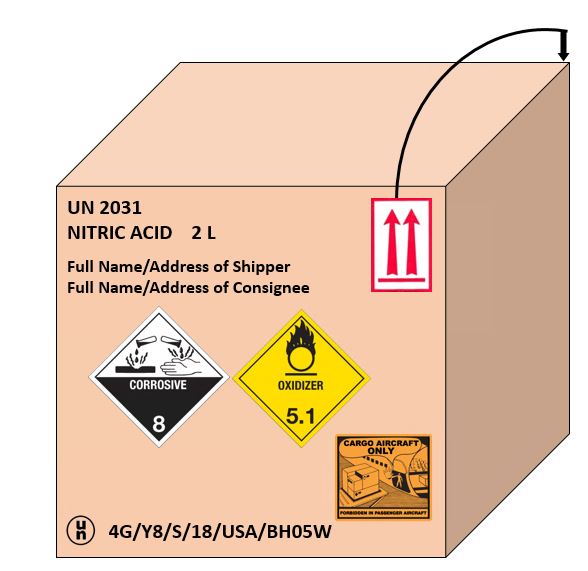
IATA Dangerous Goods Training | Hazmat University
WHMIS 2015 - Hazard Classes and Categories : OSH Answers Each hazard class contains at least one category. The hazard categories are assigned a number (e.g., 1, 2, etc.) Categories may also be called "types". Types are assigned an alphabetical letter (e.g., A, B, etc.). In a few cases, sub-categories are also specified. Subcategories are identified with a number and a letter (e.g., 1A and 1B).

Laminated Dangerous When Wet Hazard Class 4 DOT Labels 4 x 4 Inch Square 500 Stickers on a Roll
GHS Hazard Classification: Everything You Need to Know - ERA Environmental Hazard Class. Associated Hazard Category . Explosives. Divisions 1.1-1.6 (with 1.1 being the most hazardous, 1.6 the least hazardous) Flammable gases. Categories 1 and 2. Flammable aerosols. Categories 1 and 2. Oxidizing gases. Category 1. Gases under pressure. 4 Groups include: Compressed gas, Liquefied gas, Dissolved gas, and Refrigerated ...

Bay Tech Label – Custom Label Printing - Hazardous Labels ...
Dangerous goods classes and hazard labels - Civil Aviation Safety Authority Below are the 9 hazard labels for the 9 classes of dangerous goods. Class 1 Explosives Class 1 explosives This includes items such as: explosive substances pyrotechnic devices ammunition fireworks detonators. Class 2 Gases Class 2 gases These can be transported as compressed, liquefied, refrigerated liquefied or gas in solution.

Collections – Inmark - Saf-T-Pak Training
Hazmat Labels, Hazmat Placards, and Hazmat Markings - Labelmaster How many Hazard Classes are there? The Department of Transportation has defined 9 Hazard Class Groups. They are separated by distinct hazardous properties and shipping requirements. Hazard Class 1 - Explosives Hazard Class 2 - Gases Hazard Class 3 - Flammable and Combustible Liquids Hazard Class 4 - Flammable Solids

D.O.T. Labels - "Spontaneously Combustible", 4 x 4"
What Are The Nine Classes of Dangerous Goods? - DeltaNet There are 9 classes of dangerous goods and the class is determined by the nature of the danger they present: Class 1: Explosives. Class 2: Gases. Class 3: Flammable liquids. Class 4: Flammable solids. Class 5:Oxidising agents & organic peroxides. Class 6: Toxins and infectious substances. Class 7: Radioactive material.

TOTALPACK® 10 3/4 x 10 3/4" - Placard "Inhalation Hazard #2" 25 Units
Hazardous Material Classification - MLi Environmental Flammable solids fit within the hazardous materials classification (Class 4) because they are highly combustible, are capable of posing serious hazards due to their volatility, combustibility, potential in causing or propagating severe conflagrations and can even cause fire through friction.

DOT

DOT
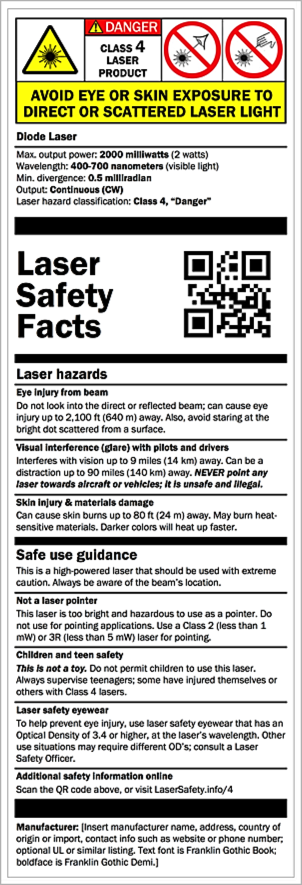
Class 4 labels | Laser Safety Facts
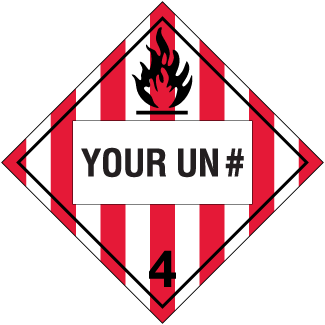
Hazard Class 4.1 - Flammable Solid, High-Gloss Label, Custom ...

Distinguishing Dangerous Goods: Hazard Class 4 by ASC, Inc.

Class 1 Dangerous Goods Explosive Substances and Articles

Laminated Dangerous When Wet Hazard Class 4 DOT Labels 4 x 4 Inch Square 500 Stickers on a Roll

Dangerous Goods Labels Class 4

Hazard Class 4 - Hazard Class Labels from Labelmaster
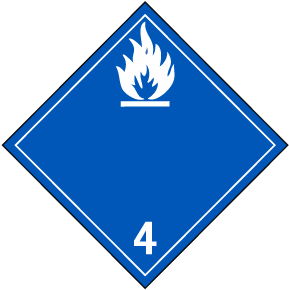
Dangerous When Wet Class 4 Placard - K5627
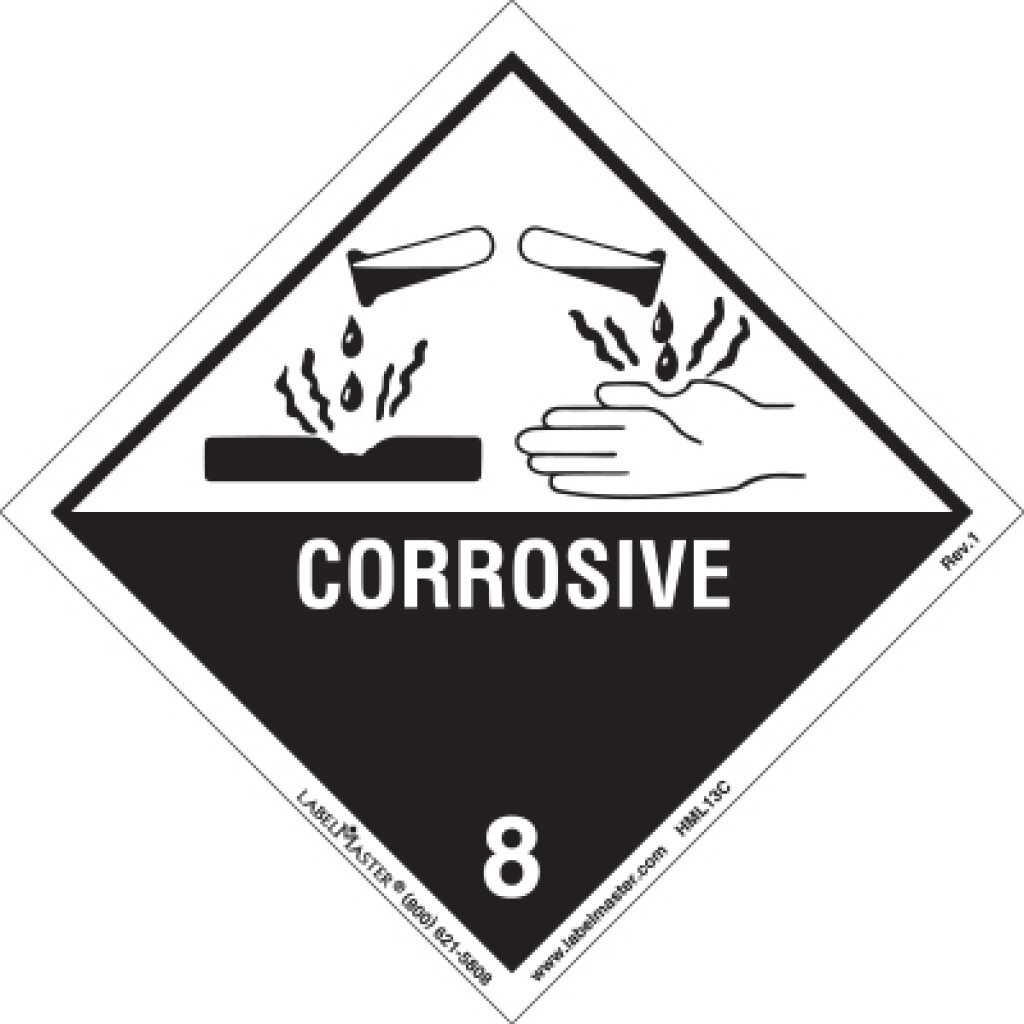
Hazmat Labels, Hazmat Placards, and Hazmat Markings - A Guide ...
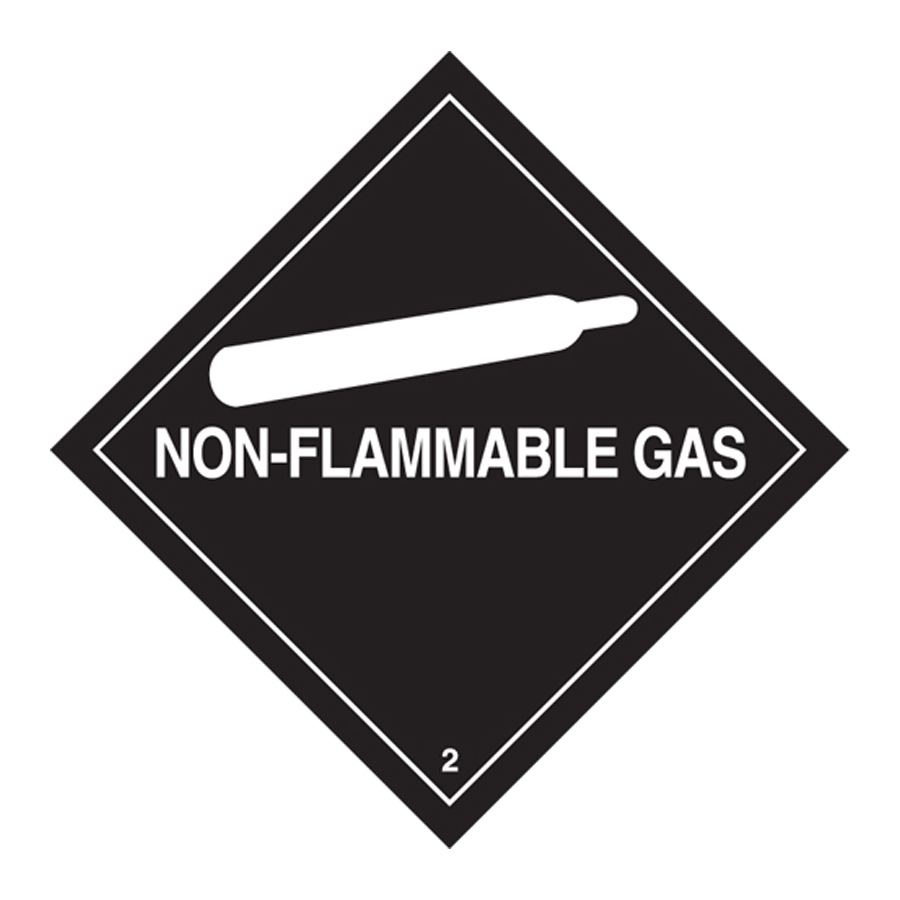
Temperature Safe Shipping and Transportation Packaging ...

Class 6 Inhalation Hazard Labels
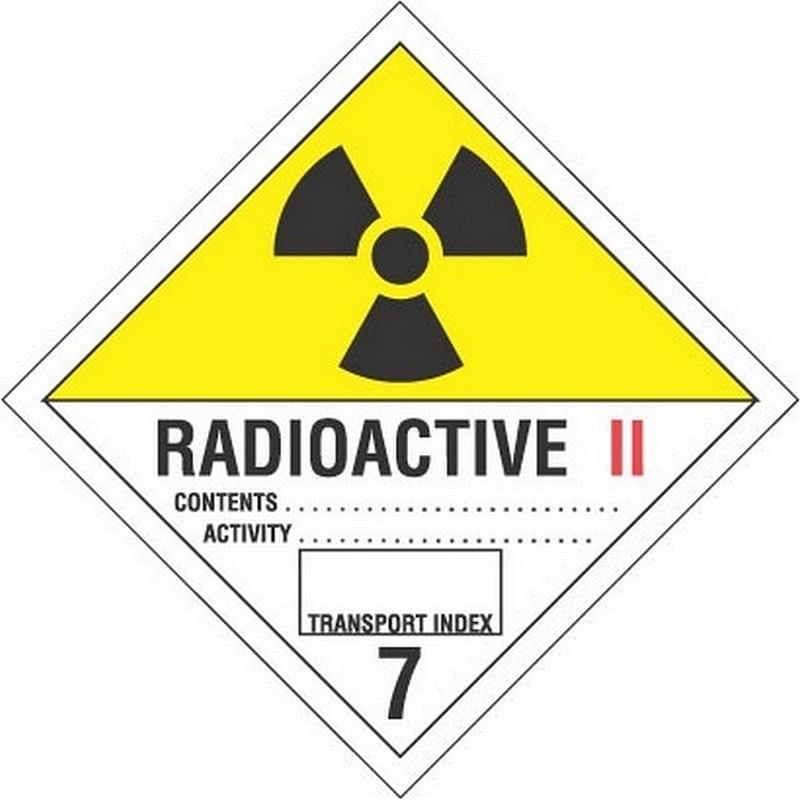
4" x 4" Radioactive 2 D.O.T. Class 7 Hazard Labels (500 per Roll)
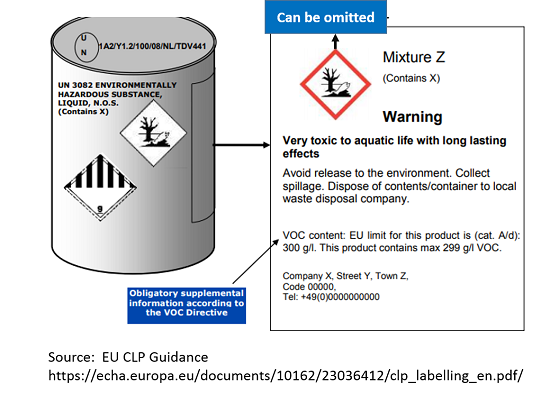
Comparison of GHS Labels and Dangerous Goods Labels
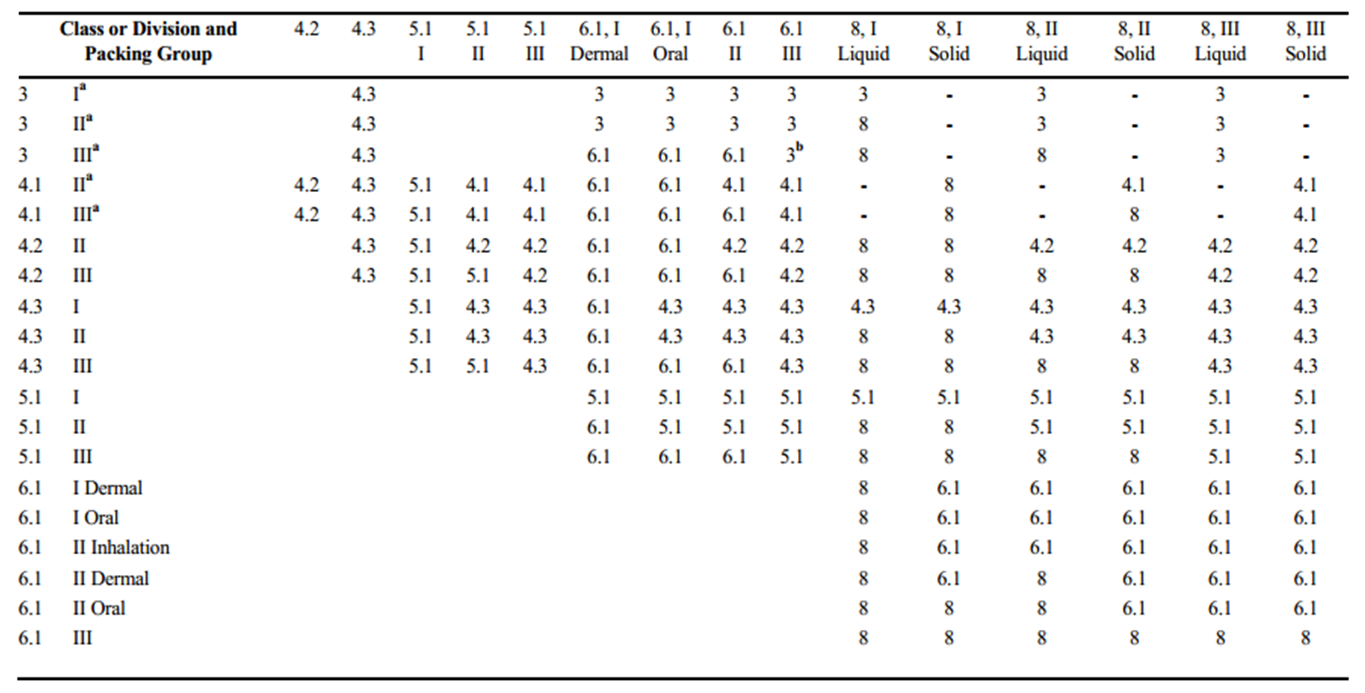
Dangerous Goods Classes and Symbols
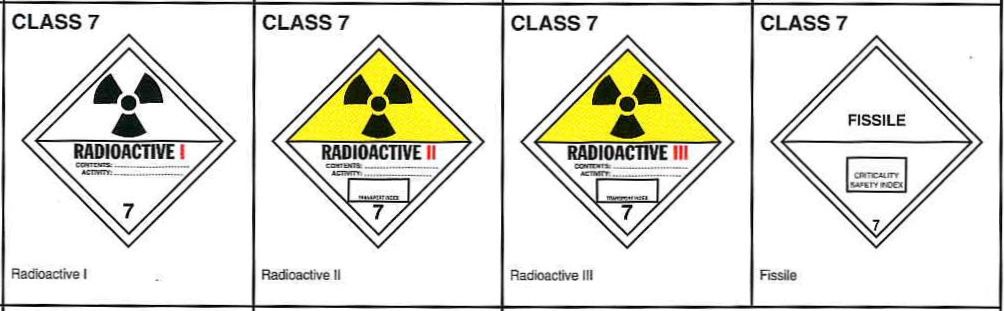
DOT
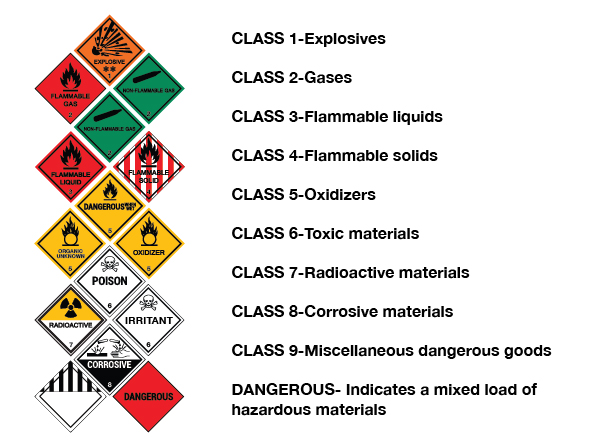
Physical Hazardous Material Classes and Categories | Royal ...
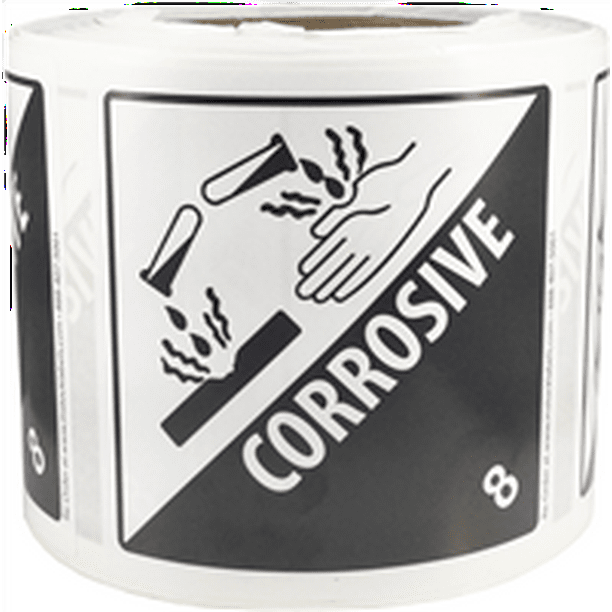
Hazard Class 8 D.O.T. Corrosive Labels | 4 x 4" Inch Square | 500 Pack

Hazmat Labels, Hazmat Placards, and Hazmat Markings - A Guide ...

4" x 4" Permanent Durable Square D.O.T. Hazard Labels, Hazard ...

Laminated Dangerous When Wet Hazard Class 4 DOT Labels 4 x 4 Inch Square 500 Stickers on a Roll
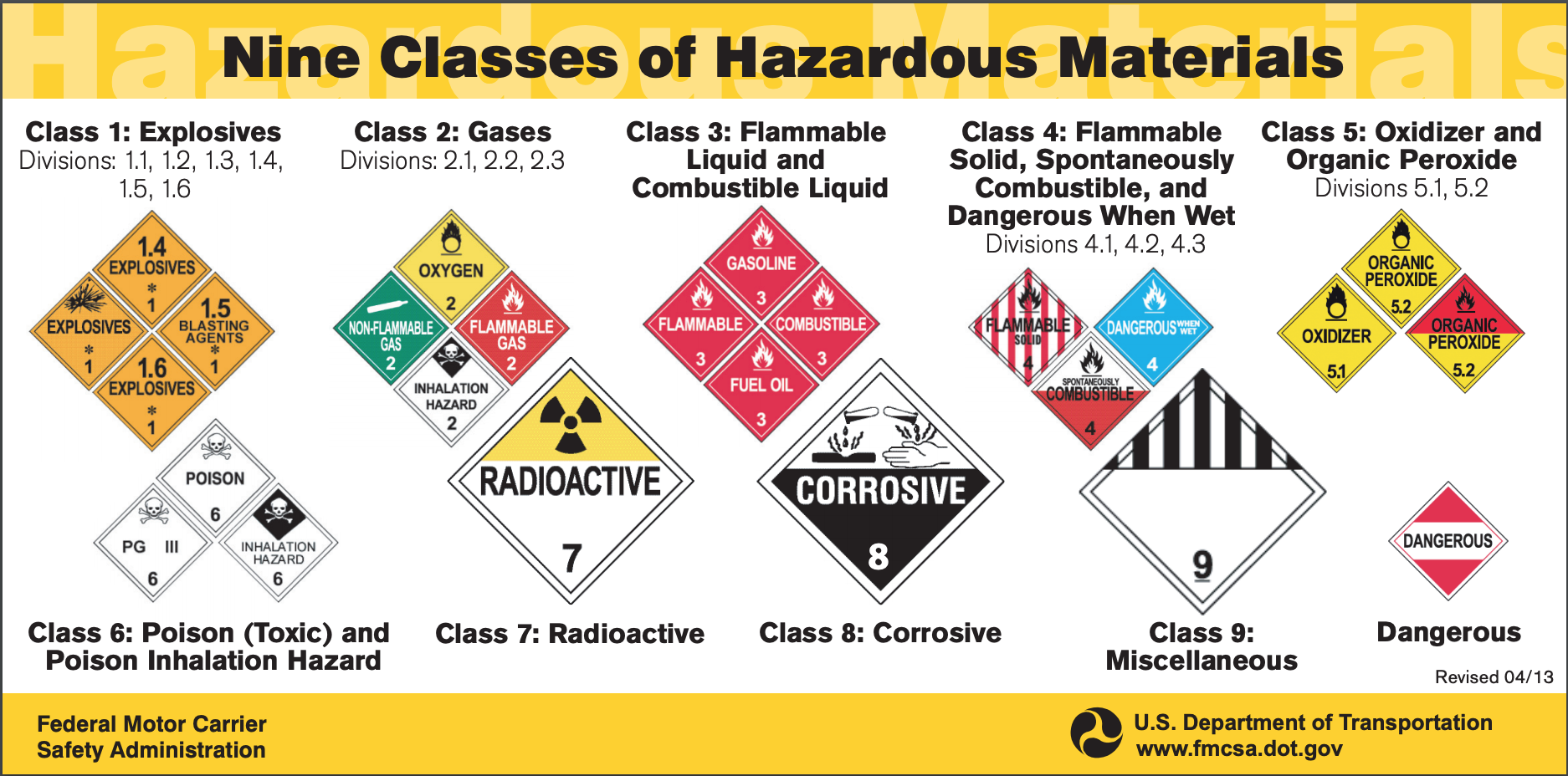
Shipping Hazardous Materials (HAZMAT) Guide 2022
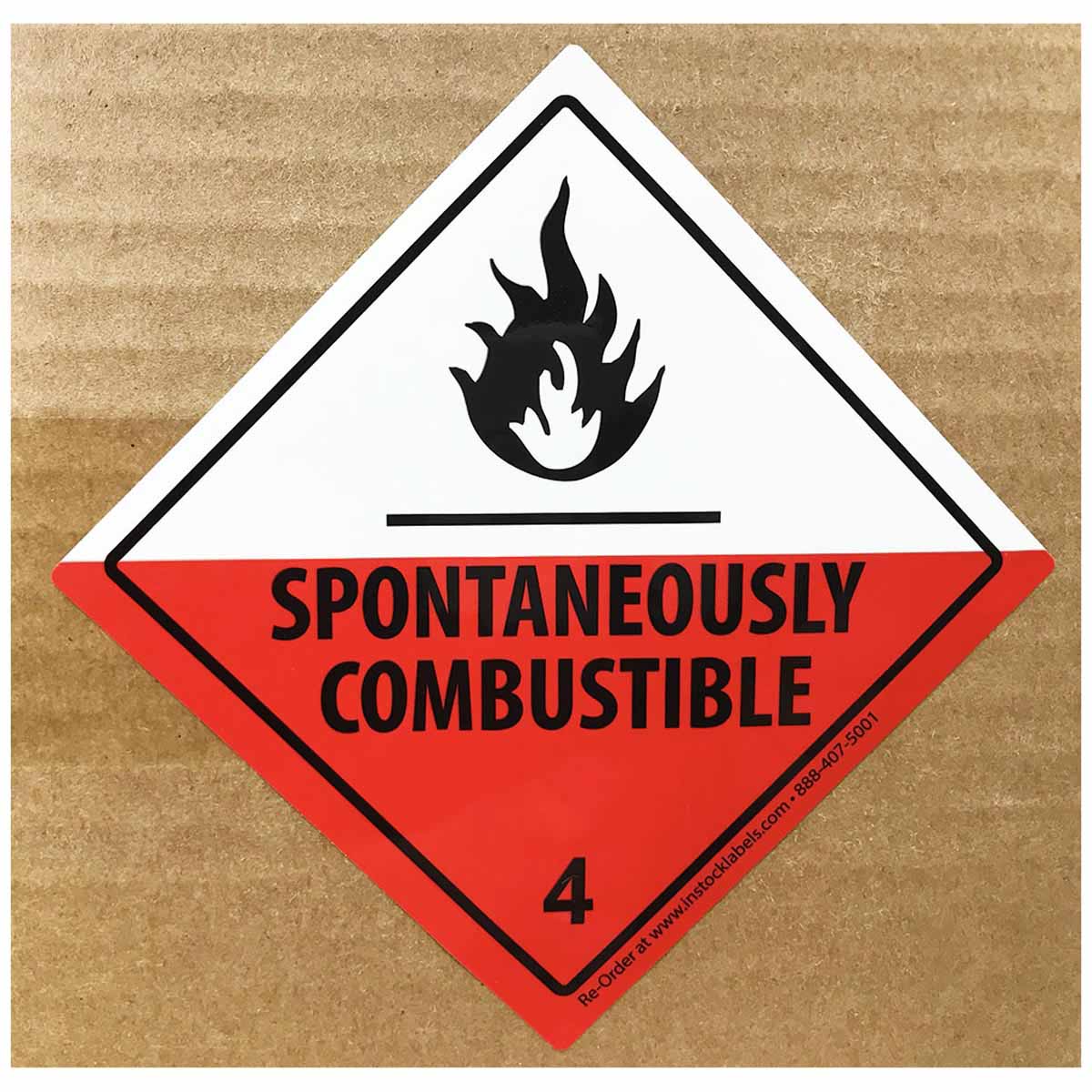
Laminated DOT Spontaneously Combustible Hazard Labels Class 4 - Warehouse
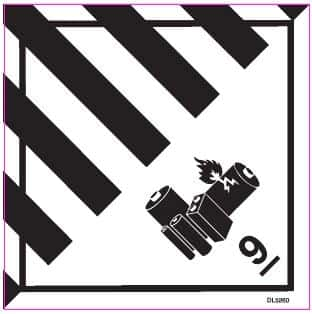
4 x 4" Miscellaneous - Hazard Class 9 Label (500 Labels/Roll)
Post a Comment for "38 how many different hazard labels are there for class 4"