43 analyze food labels for energy content
Food Labels 101: Understanding the Nutrition Facts Label For a heart healthy diet, you should always try to keep your sodium intake to about 2300 mg per day. A sodium level of 140 mg or less on the nutrition facts label is considered low sodium. This is an essential number to look for when reading the label. Total Carbohydrates - Fiber and Sugar Learn How the Nutrition Facts Label Can Help You Improve Your Health Read the Nutrition Facts labels on your packaged food and drinks to keep track of sugars, fats, protein, and other nutrients. Most sodium we consume is from salt, and salt is commonly in processed foods. Read labels and choose the product with less sodium. Drink plain water instead of sugary beverages.
How Do You Know Your Food's Nutrition Facts Label Is Accurate? Its measurements are accurate to within 5% to 10% for water-soluble vitamins (such as vitamin C) and 10% to 15% for fat-soluble vitamins (such as vitamin D). Some of these percentages may seem high, but they're all consistent with industry standards and the work of experts in the field.
Analyze food labels for energy content
Analyze_Data_Explore_Per 2.docx - Course Hero The label provides useful information for identifying the energy content of food, the source of that energy, and other nutritional information. The figure shows two sample food labels. Notice that the largest font on the labels is used to show Calories, with a capital C. Food Labels | Nutrition.gov Food and Drug Administration (FDA) regulates the safety of food for humans and animals, including foods produced from genetically engineered (GE) plants, sometimes referred to as "genetically modified organisms" (GMOs). Find out more about the safety of GE plants, and how they are regulated here. Feed Your Mind: Agricultural Biotechnology/GMOs Food labels & nutritional information | Raising Children Network Fats, protein and carbohydrates all provide your body with the energy or kilojoules you need to function and do your daily activities. When comparing similar foods, lower energy usually means lower fat or sugar, which means that the food is a better choice for most people. Fat, sugar and salt
Analyze food labels for energy content. Understanding food labels: portions, energy | Health24 Energy value a) Kilojoules As South Africa is a metric country, the energy value of foods must be expressed in kilojoules (kJ). So, if a food's energy value is listed as 500kJ per portion, then this is how much energy you will ingest when you eat a portion of this food. b) Calories or kilo-calories How to Determine the Nutritional Value of Food - FoodCrumbles The energy content of a food is given in kcal (often referred to as Calories) and/or kJ (kilojoule). Converting from kcal to kJ is a simple set calculation 1 kcal = 4,18 kJ Set conversion values Research has shown how much energy our body can make from these macronutrients. We know that: 1 gram of fats provides 9 kcal of energy How to understand food labels | Eat For Health The Nutrition Information Panel on a food label offers the simplest and easiest way to choose foods with less saturated fat, salt (sodium), added sugars and kilojoules, and more fibre. It can also be used to decide how large one serve of a food group choice or discretionary food would be and whether it's worth the kilojoules. The Importance of Reading the Food Label and Nutritional Facts The label changes now require that vitamin D, potassium, iron and calcium content be included here, along with the percent daily values for each. You should aim for high levels of these nutrients. Vitamins A and C are no longer required, but they are still important to our diets. 6. Ingredient List Finally, there's the ingredient list.
Practical 1.3 - Investigate the energy content of food A simple investigation can be conducted to investigate the energy content of a food sample. Procedure Add water - around 20cm3 - to a boiling tube clamped in a retort stand. Record the starting... Food Labeling & Nutrition | FDA Food labeling is required for most prepared foods, such as breads, cereals, canned and frozen foods, snacks, desserts, drinks, etc. Nutrition labeling for raw produce (fruits and vegetables) and... Food labelling - Food and nutrition | NHS inform The Reference Intake (RI) is a guide to the approximate daily amount of nutrients (fats, saturated fats, salt and sugar) and energy you need for a healthy diet. This is shown as a percentage (%) on the food label. RI values are based on an average-sized woman doing an average amount of physical activity. How To Read Food and Beverage Labels - National Institute on Aging There are three types of product dates commonly printed on packaged foods and beverages: "Sell by" tells how long the manufacturer suggests that a store should sell items such as meat, poultry, eggs, or milk products. Make sure you buy by this date. "Use by" tells how long items will be at peak quality.
Reading Food Labels (for Parents) - Nemours KidsHealth The food label gives total carbohydrates along with fiber, total sugars, and added sugars. Dietary Fiber Dietary fiber itself has no calories and is a necessary part of a healthy diet. Fiber can help you feel full and promotes bowel regularity. High-fiber diets can help lower cholesterol levels and may help reduce the risk of colon cancer. Sugars Nutrition labelling | Food Standards Agency energy value amounts of fat, saturates, carbohydrate, sugars, protein and salt The content of the mandatory nutrition declaration can be supplemented with an indication of the amounts of one or... How is the caloric value of food determined? | Office for Science and ... (There is some rounding off because simple sugars provide somewhat less and polysaccharides somewhat more than 4 Kcal/g). Thus the label on a 45 gram KitKat that contains 3 g of protein, 29 g of carbohydrate (22 grams of which are simple sugars) and 12 g of fat would read 230 Calories. Some interesting data emerges from such calculations. How to Understand and Use the Nutrition Facts Label | FDA - U.S. Food ... Dietary fiber, vitamin D, calcium, iron ad potassium are nutrients on the label that Americans generally do not get the recommended amount of. They are identified as nutrients to get more of....
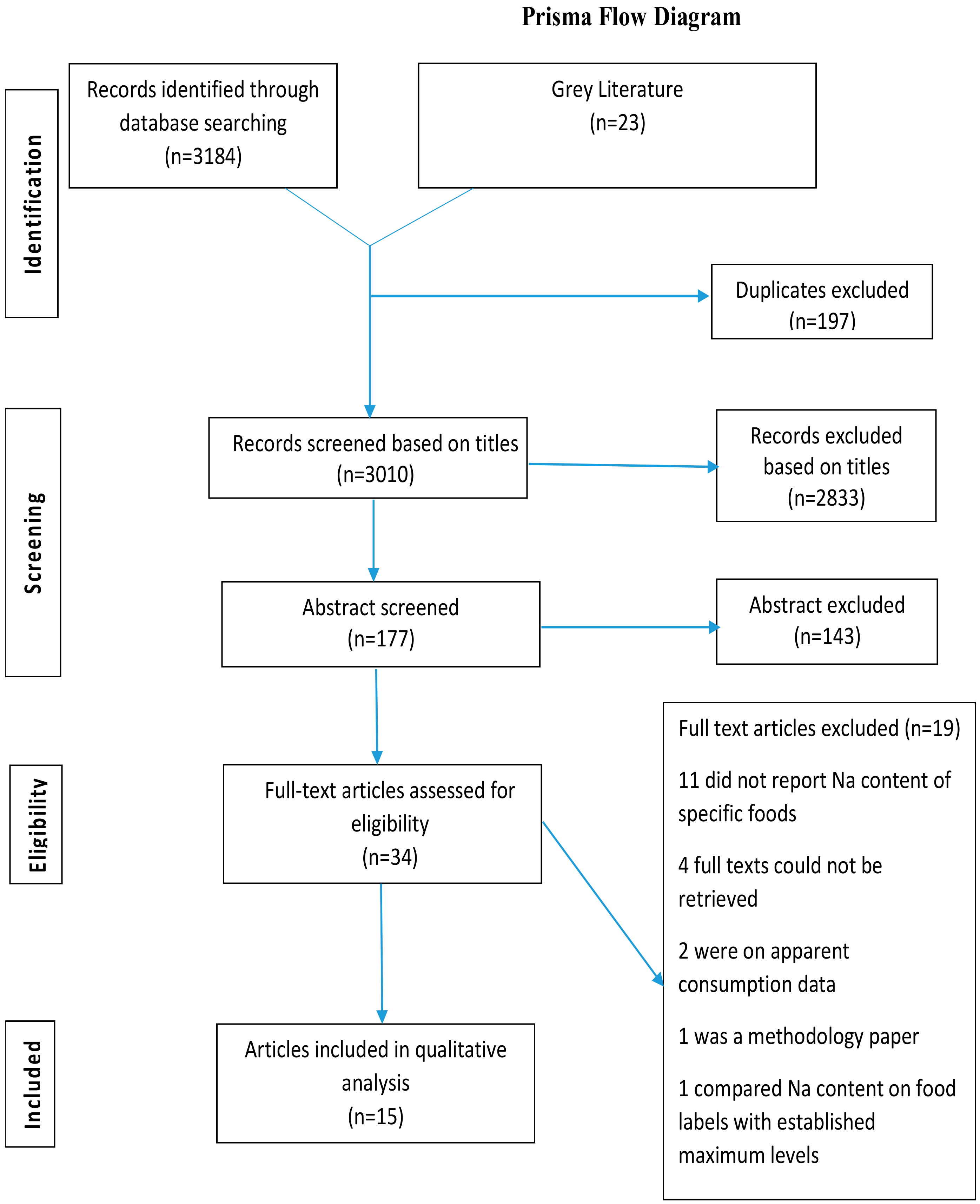
Sustainability | Free Full-Text | Nutrition Labeling Schemes and the Time and Effort of Consumer ...
Energy labelling of alcoholic beverages - Food Standards In December 2021, FSANZ completed a preliminary analysis of regulatory and non-regulatory options for energy labelling of packaged alcoholic beverages to identify a preferred approach. This included targeted consultation with industry, public health, consumer and jurisdictional stakeholders. The key outcomes were:

How to read the Texas Electricity Facts Label (EFL)? - Energy Promo Codes
PDF Calorimetry: Measuring the Energy in Foods - Carolina.com Adjust the ring stand until the can is approximately 4 cm above the food sample. Suspend the thermometer inside the can. The thermometer bulb should be in the water but not touching the bottom of the can. Unfold the second paper clip and use it as a hook to suspend the thermometer from the top ring.

Food label accuracy of common snack foods - PubMed Nutrition labels have raised awareness of the energetic value of foods, and represent for many a pivotal guideline to regulate food intake. However, recent data have created doubts on label accuracy. Objective: We measured "true" caloric content of 24 popular snack food products in the U.S. and determined macronutrient content in 10 selected items.

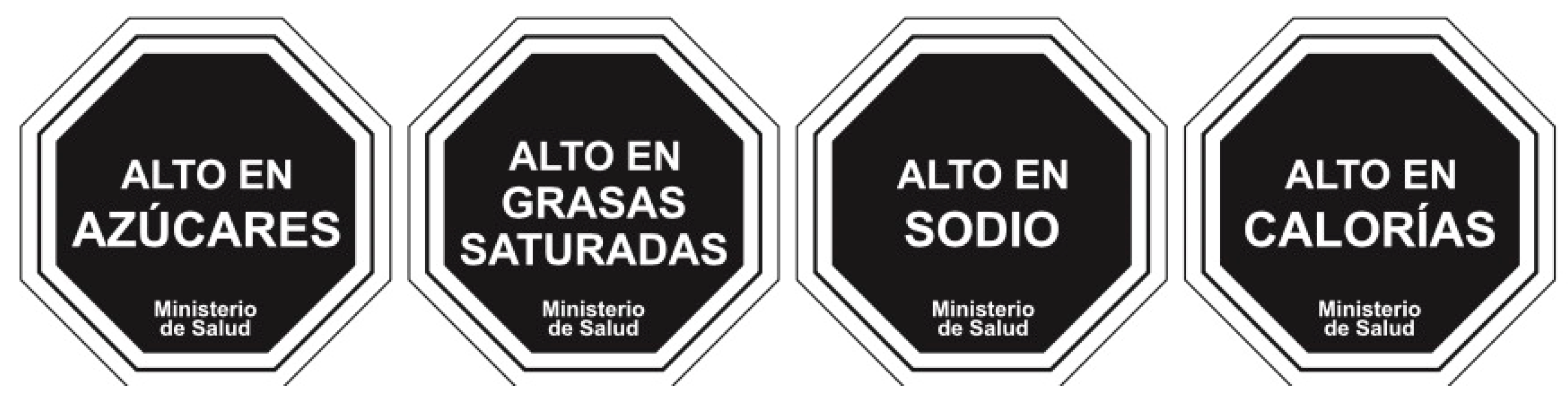
(PDF) Efficacy of “High in” Nutrient Specific Front of Package Labels—A Retail Experiment with ...
The Science Behind Calories and Nutrition Facts Labels The calorie number we see on food labels refers to a kilocalorie (kcal), which is also known as a large calorie or a food calorie. A kilocalorie is 1 000 calories. One kilocalorie is the amount of energy it takes to heat one kilogram of water one degree Celsius at sea level.
31 Which Part Of A Food Label Is The Primary Tool For Determining The Healthfulness Of The ...
PDF Energy Content of Foods Your Name Lab Partners: Period: January 28, 2013 The data showed that high fat foods have more energy than high sugar foods which was expected. The food with the highest energy content per gram was the peanut at 6186.4 J/g. The food with the lowest energy content per gram was the marshmallow at 362.3 J/g. This

zuhrotun nisfah anak kebumen
Understanding Food Nutrition Labels | American Heart Association 1 - Start with the serving information at the top. This will tell you the size of a single serving and the total number of servings per container (package). 2 - Next, check total calories per serving and container. Pay attention to the calories per serving and how many calories you're really consuming if you eat the whole package.
Do Energy Drinks Live Up to Their All-Natural Claims? | Washingtonian (DC)
Labelling-Determination of the energy content of food - Dairy Science Currently used polyols include sorbitol and erythritol. Carbohydrates give average gross energy values of 4.2 kcal or 17.6 kJ per gram, fat gives 9.4 kcal, or 39.4 kJ per gram and protein gives 5.65 kcal or 23.7 kJ per gram. The conversion factors for joules and calories are: 1 kJ = 0.239 kcal; and 1 kcal = 4.184 kJ.
Lecture 5 energy, food labels and energy needs during lifetime, nutr…
Food labels - NHS Most pre-packed foods have a nutrition label on the back or side of the packaging. These labels include information on energy in kilojoules (kJ) and kilocalories (kcal), usually referred to as calories. They also include information on fat, saturates (saturated fat), carbohydrate, sugars, protein and salt.

Daily Intake Guide: Healthy eating, made easy. Front-of-pack labelling for food and drink in ...
How to Calculate Energy From Foods | livestrong The energy content of a food is a measure of how many calories the food contains. Your body needs a certain number of calories each day -- the required amount varies with your age, gender, weight status and activity level -- to maintain itself. ... Most foods have information about energy content printed on the label. However, for foods that ...

(i.e. overall if the product has more nutrients falling into the ‘green’ category then it is a ...
Chapter 3: Calculation of The Energy Content of Foods - Energy ... Determining the energy content of foods depends on the following: 1) the components of food that provide energy (protein, fat, carbohydrate, alcohol, polyols, organic acids and novel compounds) should be determined by appropriate analytical methods; 2) the quantity of each individual component must be converted to food energy using a generally a...

Knowledge, Attitude and Practices of University Students Regarding the Use of Nutritional ...
Food labels & nutritional information | Raising Children Network Fats, protein and carbohydrates all provide your body with the energy or kilojoules you need to function and do your daily activities. When comparing similar foods, lower energy usually means lower fat or sugar, which means that the food is a better choice for most people. Fat, sugar and salt

Nutrition Labels Lesson Plans & Worksheets | Lesson Planet
Food Labels | Nutrition.gov Food and Drug Administration (FDA) regulates the safety of food for humans and animals, including foods produced from genetically engineered (GE) plants, sometimes referred to as "genetically modified organisms" (GMOs). Find out more about the safety of GE plants, and how they are regulated here. Feed Your Mind: Agricultural Biotechnology/GMOs

IBM - Turning green with ingenuity
Analyze_Data_Explore_Per 2.docx - Course Hero The label provides useful information for identifying the energy content of food, the source of that energy, and other nutritional information. The figure shows two sample food labels. Notice that the largest font on the labels is used to show Calories, with a capital C.

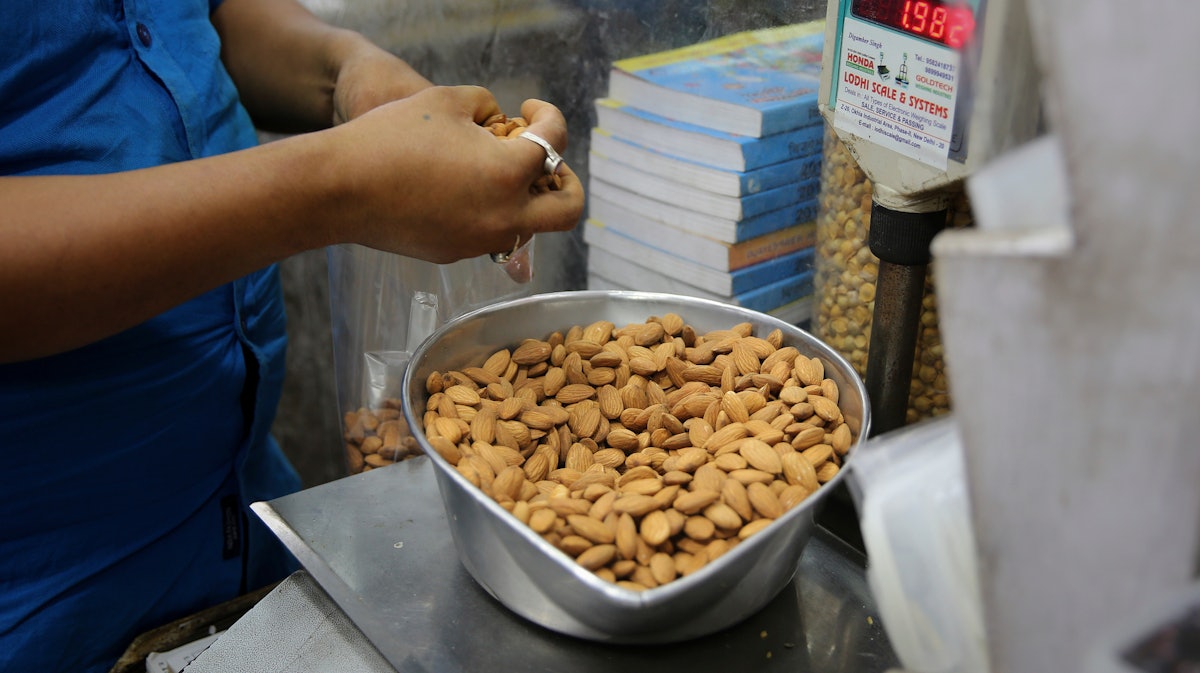
Changing Counts Reveal Inexact Science of Calorie Labels | Food Manufacturing
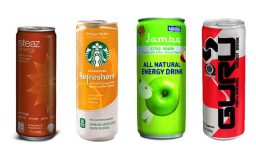
Do Energy Drinks Live Up to Their All-Natural Claims? | Washingtonian (DC)
Post a Comment for "43 analyze food labels for energy content"